History
T
he Incas were a pre-Columbian civilization that flourished in the Andes Mountains of South America from the 14th to the 16th centuries. They were a highly advanced society with a complex culture, and tattooing was an important part of their identity.
The earliest evidence of tattooing in the Andes dates back to the Chavín culture (900-200 BC). However, it was during the Inca Empire that tattooing reached its peak of popularity. Inca tattoos were often used to denote social status, religious beliefs, and military achievements.
The Tools of Tattooing
The Incas used a variety of tools to create their tattoos. The most common tool was a needle made from a cactus spine or bone. The needle was attached to a wooden handle, and it was dipped in a mixture of soot and water before being used to puncture the skin.
The Incas also used a sharp rock or a piece of flint to create tattoos. These tools were less precise than needles, but they were still effective.
The Ink of Tattooing
The most common ink used for tattooing in the Andes was made from soot and water. This ink was black, and it was easily applied to the skin. The soot was obtained by burning a variety of materials, such as wood, leaves, or animal bones. The water was used to dilute the soot and make it easier to apply.
The Incas also used other inks, such as vegetable dyes and mineral pigments. These inks were more colorful, but they were also more difficult to apply. Vegetable dyes were obtained from plants, such as indigo and marigold. Mineral pigments were obtained from rocks, such as malachite and azurite.


The Designs of Tattooing
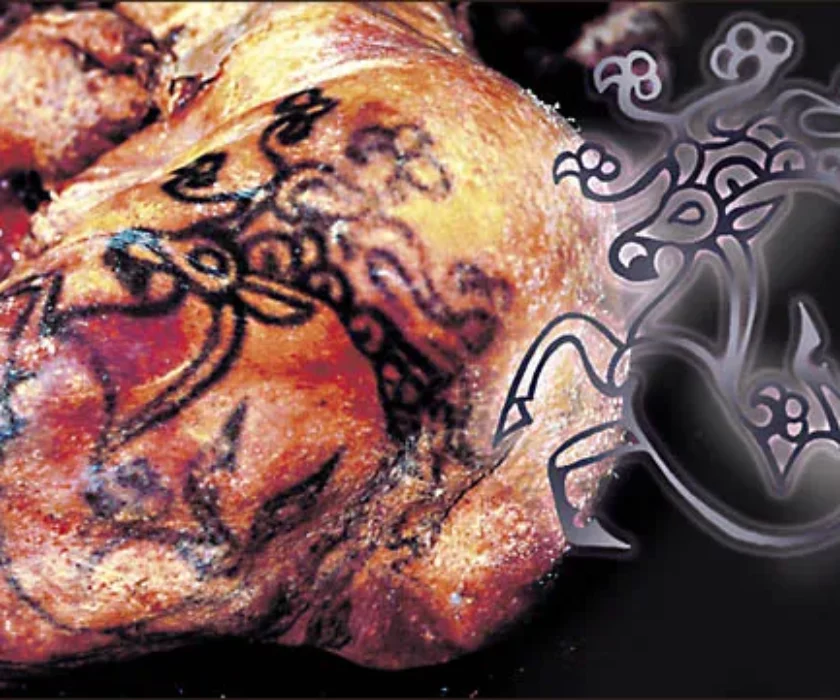
The designs of Inca tattoos were often geometric in nature. They included lines, circles, squares, and triangles. These designs were often arranged in symmetrical patterns. The Incas also used figurative designs in their tattoos. These designs included animals, plants, and celestial objects. These designs were often used to represent religious beliefs or cultural symbols.
Some of the most common animals used in Inca tattoos were the jaguar, the puma, and the condor. These animals were often associated with strength, power, and courage. The Incas also used plants, such as the coca leaf and the corn cob, in their tattoos. These plants were often associated with fertility and abundance.
Inca tattoos had a variety of meanings. They could denote social status, religious beliefs, military achievements, or personal experiences.
For example, high-ranking Incas often had tattoos that represented their status. These tattoos might include symbols of the sun, the moon, or the stars. These symbols were associated with the Inca gods and goddesses.
Religious figures, such as priests and shamans, often had tattoos that represented their connection to the spiritual world. These tattoos might include images of animals or plants that were considered sacred. For example, the jaguar was often associated with the sun god, Inti.
Warriors often had tattoos that commemorated their military achievements. These tattoos might include images of weapons, shields, or trophies. These tattoos were a way for warriors to show their bravery and their skill in battle.

The Decline of Tattooing
The Spanish conquest of the Inca Empire in the 16th century led to the decline of tattooing in the Andes. The Spanish considered tattoos to be barbaric, and they discouraged their practice.
As a result, tattooing became less common in the Andes. However, it did not disappear entirely. Some indigenous peoples continued to practice tattooing, and it has recently seen a resurgence in popularity.
The Legacy of Incan Tattooing
Incan tattoos are a fascinating part of the Andean cultural heritage. They provide a glimpse into the lives of the Incas and their beliefs.
Today, Incan tattoos are still admired by many people. They are a reminder of the rich history and culture of the Andes.